


Expert Iron Staircase Welding Repair Methods for Denver Townhouses
Table of Contents
Why Iron Staircases Fail and Cost Denver Homeowners Thousands
Safety Risks of Neglected Staircase Welds in Townhouse Structures
How Our Welding Expertise Prevents Costly Staircase Replacement
Our Advanced Inspection Process for Iron Staircase Assessment
Proven Welding Repair Techniques We Use on Denver Properties
Investment Protection Through Professional Staircase Maintenance
Why Iron Staircases Fail and Cost Denver Homeowners Thousands
Iron staircases add character and durability to Denver townhouses, but they're structural elements that demand professional attention when wear appears. We've spent years repairing and reinforcing iron stairs across the metro area, and we've learned that early intervention saves thousands in replacement costs. This guide walks you through why these failures happen, how we assess and repair them, and what you need to know to protect your investment.
Denver's climate creates perfect conditions for staircase problems. Our dry winters and intense UV exposure, combined with occasional moisture from spring snowmelt and summer storms, cause metal expansion and contraction that stress welds. Over time, especially in townhouses where stairs see heavy daily use, these thermal cycles weaken the welded joints that hold your staircase together.
Most iron staircases in Denver were built between 1980 and 2010. Original welds on these structures may have been adequate at installation but degrade faster than modern fabrication standards would allow. We see three common failure patterns:
Cracking at weld heat-affected zones where the metal lost strength during the original welding process
Corrosion that begins underneath exterior railings and spreads through connection points
Joint separation where treads pull away from stringers due to repeated footfall stress
A complete staircase replacement typically runs $8,000 to $15,000 for a three-story townhouse. Strategic weld repairs, when caught early, cost a fraction of that and restore full structural integrity.
Safety Risks of Neglected Staircase Welds in Townhouse Structures
A failing staircase weld isn't a cosmetic problem. It's a safety hazard that puts your family, guests, and anyone else in your townhouse at risk. We take this seriously because the consequences of a catastrophic failure are severe.
When a weld begins to crack or separate, the load distribution across the staircase becomes uneven. One side of a tread might bear significantly more weight than the other, creating unpredictable movement. Residents using the stairs may hear creaking or feel slight shifting under foot, which are clear warning signs that the structure is compromised.
Townhouses are particularly vulnerable because stairs typically serve multiple units or stories, meaning higher daily traffic. A single failing weld can escalate quickly. What starts as a hairline fracture can progress to visible separation within weeks under constant stress. At that point, the staircase becomes unsafe for use, and you're forced into emergency repairs or replacement.
Insurance liability also becomes an issue. If someone is injured on a staircase with known weld defects, your homeowner's insurance may deny the claim if the damage was neglected. We've seen claims denied outright when inspectors find evidence that repairs were deferred.
How Our Welding Expertise Prevents Costly Staircase Replacement
Our approach focuses on targeted intervention rather than full replacement. We begin by understanding exactly where and why the welds are failing, then apply precision repairs that restore the staircase to safe, durable condition.
When we evaluate a damaged staircase, we're not just looking at the visible crack. We assess the overall load path, the original welding method, and the surrounding metal condition. This analysis tells us whether we can repair the existing welds or if we need to reinforce the connection points. Most townhouse staircases fall into the repair-and-reinforce category, where we strengthen the weak joints and add support without removing the entire structure.
This strategy preserves the original craftsmanship and character of the staircase while extending its lifespan by 20 to 30 years. The repaired sections are stronger than the original welds because we use modern techniques and higher-quality materials. For Denver property owners, this means peace of mind plus a finished product that looks and functions as good as new.
Our Advanced Inspection Process for Iron Staircase Assessment
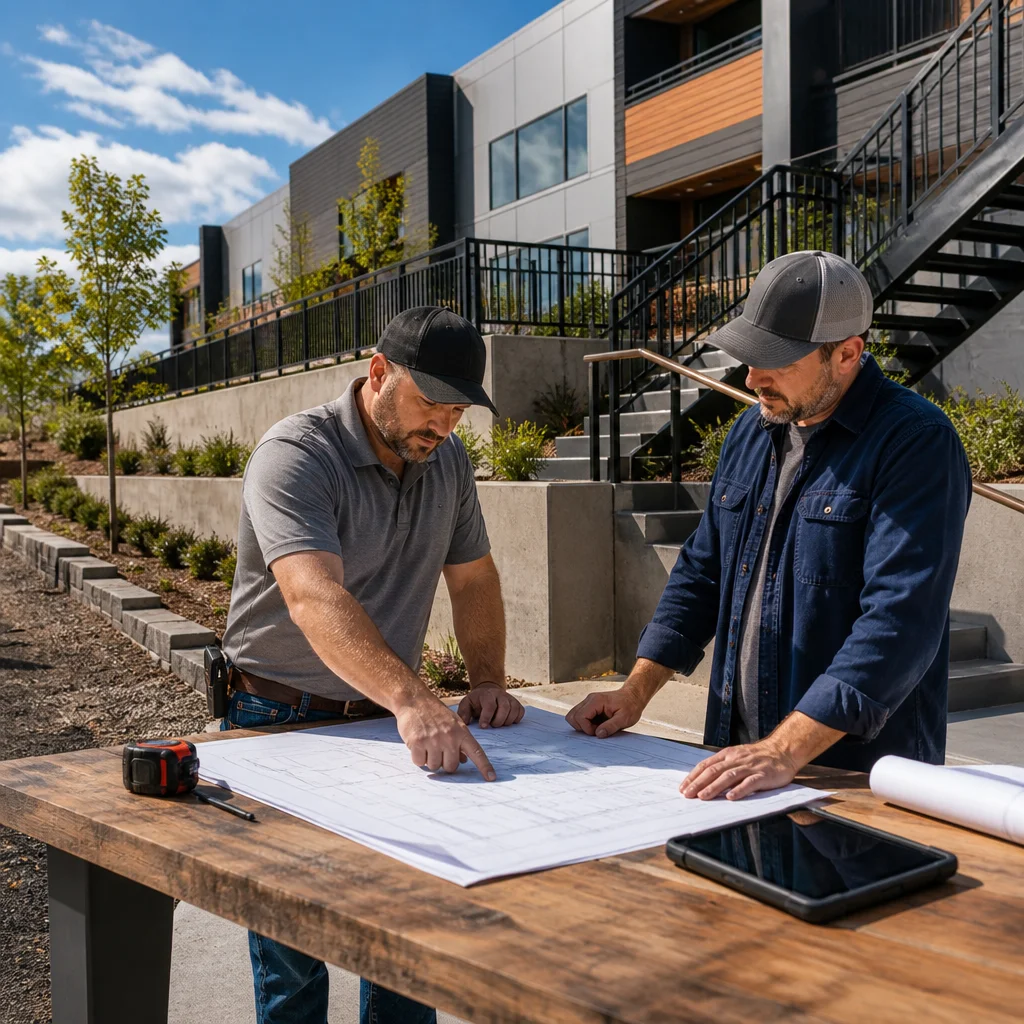
We start every staircase job with a comprehensive inspection that goes beyond what's visible to the naked eye. This process determines the scope of work and helps us give you an accurate estimate.
Our inspection includes visual assessment of all visible welds, cracks, and corrosion patterns. We photograph and document each issue to create a baseline for before-and-after comparison. Next, we use ultrasonic thickness testing to check how much metal remains in corroded areas and whether internal cracks exist that surface inspection might miss.
We then pressure-test critical connections by applying controlled weight and movement to see how the staircase responds. A healthy staircase remains rigid and silent. One with compromised welds shows deflection or produces creaking sounds that tell us exactly where the problem is. We measure deflection precisely so we can document improvement after repairs.
Finally, we evaluate the material composition. Older iron staircases sometimes used cast iron or lower-grade steel that behaves differently under stress than modern structural steel. Understanding the original material helps us select compatible repair metals and welding approaches.
This multi-step process typically takes two to three hours and results in a detailed report with photos, measurements, and repair recommendations. We'll walk you through the findings and explain what needs to happen next.
Proven Welding Repair Techniques We Use on Denver Properties
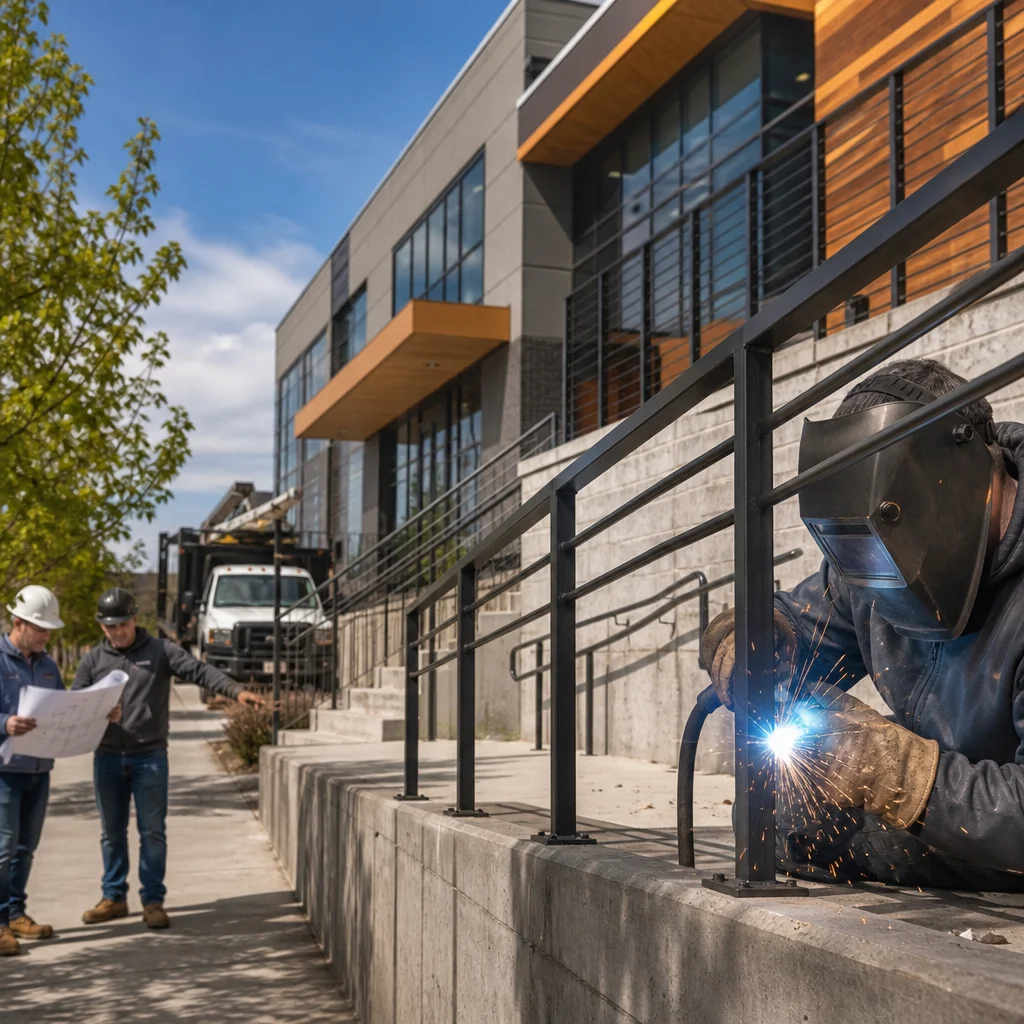
We employ several proven methods depending on what we find during inspection. The most common approach is weld-buildup repair, where we remove the damaged or corroded weld material and rebuild the joint with new metal and modern welding technique.
For cracks at the tread-to-stringer connection, we grind out the damaged weld completely, exposing fresh metal on both sides of the joint. We then re-weld using MIG or stick welding depending on the angle and accessibility. This new weld is stronger than the original because it's applied with better technique and higher-quality filler materials. After welding, we grind the bead smooth so the repair is both structurally sound and visually clean.
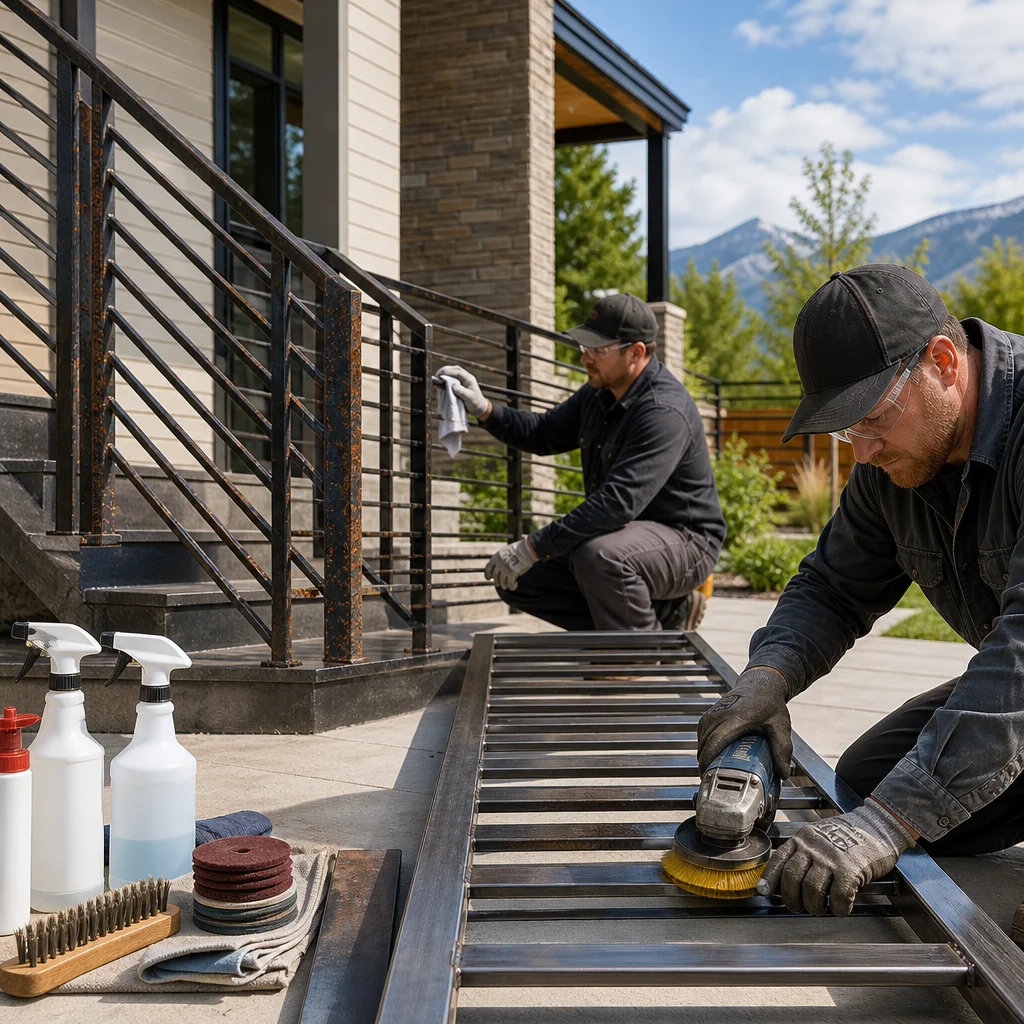
For corrosion-related failures, we use a similar approach but remove more material to eliminate all rust and oxidation. A corroded joint won't hold a new weld reliably, so full corrosion removal is essential. Once we've cleaned the joint to bare metal, we apply a stainless steel or galvanized filler rod depending on the environment and your maintenance preferences.
In cases where multiple welds have failed or the staircase has seen decades of heavy use, we may recommend partial tread or riser replacement. This is more extensive than simple weld repair but still far less costly than replacing the entire structure. We'll fabricate new sections to match the original profile and dimensions, ensuring seamless integration with existing components.
Reinforcement Solutions That Extend Staircase Lifespan
Beyond repairing damaged welds, we often add reinforcement that prevents future failures. This is where strategic engineering extends the life of your townhouse staircase by decades.
Diagonal bracing under the staircase is one of the most effective reinforcements. These steel struts connect the stringers to the supporting structure below, distributing the footfall load more evenly across the entire staircase rather than concentrating it at the connection points. The braces are typically welded at 45-degree angles and finish with a clean, architectural appearance.
We also reinforce the tread-to-stringer connection by adding backing plates or gussets at each joint. These steel plates, welded on the underside of the connection, increase the surface area of the weld and provide additional support under dynamic loads. Most residents never see these reinforcements, but they dramatically improve the staircase's ability to handle constant traffic.
For staircases with severely corroded stringers, we may recommend installing a protective coating system after repairs are complete. We apply a high-quality epoxy primer followed by polyurethane topcoat. This protects the bare metal from Colorado's dry climate and prevents future corrosion.
Quality Materials and Standards We Apply to Every Repair
We don't compromise on materials. Every weld repair uses filler rod and flux rated for structural applications, typically AWS A5.1 specifications for stick welding or AWS A5.18 for MIG work. These standards ensure consistent strength and longevity.
The specific filler metal we choose depends on the base metal composition and the staircase's exposure. For exterior staircases or those near moisture sources, we often use stainless steel or galvanized-compatible filler rods that resist corrosion better than standard mild steel. The cost difference is modest, but the durability improvement is significant.
All our welding meets or exceeds the building code requirements for structural connections in residential properties. After completing repairs, we inspect every weld visually and document the work with photographs. Some projects also receive dye-penetrant inspection, which reveals surface and near-surface defects that visual inspection alone might miss.
We maintain current certifications through the American Welding Society and stay current with Denver building code updates. This means your repaired staircase will pass inspection and maintain its value for decades.
Timeline and Minimal Disruption to Your Townhouse Living
A typical iron staircase welding repair takes three to five working days, depending on the complexity and extent of damage. Most of this time is spent in preparation, welding, and finishing rather than the actual repair work.
Here's what to expect: Day one involves cleaning the staircase, applying protective coverings, and setting up our equipment. Days two and three are active welding. We try to complete welding during business hours when possible, though some jobs require evening or early morning work to minimize traffic disruption. Days four and five include finishing work, touch-up paint or coating, and cleanup.
During repairs, the staircase is closed to traffic. We provide temporary access solutions like construction ramps or ladders so your townhouse remains accessible. We coordinate with you to minimize impact on your daily schedule. For multi-unit townhouses, we communicate with neighbors about timeline and any noise expectations.
Most staircase repairs are weatherproof immediately upon completion. If we apply coating systems, we allow 24 to 48 hours for full cure before returning the staircase to service. We test each weld visually and functionally before signing off on the work.
Investment Protection Through Professional Staircase Maintenance
A repaired iron staircase represents a significant investment in your property's safety and value. Protecting that investment means establishing a maintenance routine that prevents future failures.
We recommend annual visual inspections, especially for exterior staircases or those in high-traffic areas. During these inspections, look for new cracks, signs of rust or corrosion, or any shifting or movement in the treads. Minor issues caught early are far easier and cheaper to address.
Keep the staircase clean and dry. In Denver's dry climate, this isn't as critical as in humid regions, but standing water or accumulated debris can trap moisture and accelerate corrosion. Simple sweeping and occasional rinsing remove dirt that holds moisture.
If your staircase has a coating system, inspect the paint or epoxy annually for peeling, chalking, or bare spots. Touch up any damaged areas promptly to keep the protective layer intact. A $200 paint refresh every few years costs nothing compared to weld repair bills down the line.
Document your repair work and keep all invoices and inspection reports. This creates a maintenance record that improves your property's marketability and reassures future buyers that the staircase has been professionally maintained.
How Our Process Differs From Amateur Welding Attempts
We see staircases that have been welded by handymen or inexperienced welders, and they tell a clear story of inadequate repair. These amateur efforts typically fail within two to five years because they miss the root causes of the original failure.
Handymen often grind out a crack and quickly re-weld without understanding the underlying structural problem. They may weld over corrosion rather than removing it completely, trapping rust underneath a new bead. This fails almost immediately. They also frequently use low-quality filler materials or improper technique, resulting in welds that look okay but don't have the strength needed for structural applications.
We've also seen amateur repairs that create new problems. Excessive heat from poor welding technique can weaken the base metal in the heat-affected zone, creating a new failure point adjacent to the repair. Improper cooling or stress relief can introduce internal cracks invisible to the eye.
Our professional approach addresses root causes, uses proven techniques, applies structural-grade materials, and inspects the work thoroughly. We stand behind every repair with the confidence that comes from doing this work correctly.
Next Steps to Secure Your Townhouse Staircase
If you've noticed creaking, movement, or visible damage on your iron staircase, contact us for a free project estimate. We'll schedule a comprehensive inspection at your convenience, document the condition, and provide a detailed repair plan with transparent pricing.
Delaying staircase repairs is one of the costliest decisions Denver property owners make. A $2,000 repair today prevents a $12,000 replacement tomorrow and keeps your family and guests safe.
Reach out to JKD Welding today. We'll evaluate your staircase, answer your questions, and get your repair scheduled quickly. Your townhouse staircase has likely served you well for years, and professional welding repair will keep it safe and functional for decades to come.
For further reading: Railings and handrails installation.
Frequently Asked Questions (FAQ)
How do we detect problems with iron staircases before they become safety hazards?
We conduct a thorough inspection of your staircase's welds, structural integrity, and metal condition using both visual assessment and hands-on testing. Our process identifies rust, corrosion, stress fractures, and compromised welds that most homeowners won't catch until they create dangerous situations. We then provide you with a detailed report and recommend the specific repairs needed to keep your townhouse safe.
What makes our staircase welding repair different from other Denver welding services?
We combine precise structural assessment with proven reinforcement techniques that extend your staircase's lifespan rather than just patching problems temporarily. Our team understands the unique demands Denver's climate places on iron railings and stairs, and we apply industrial-grade standards to every residential repair. We focus on preventing costly replacements down the road by doing the job right the first time.
How long does a typical staircase welding repair take, and will it disrupt our daily life?
Most repairs we handle can be completed within one to three days depending on the extent of damage and reinforcement needed. We schedule our work to minimize disruption to your routine, and we keep our work area contained so you can continue using other parts of your home normally.
Comments