


Denver Metal Fence Installation Cost: Budget Your Project with JKD Welding
Table of Contents
Why Metal Fence Costs Vary More Than You Expect
When Denver property owners start pricing metal fences, they often expect a straightforward dollar-per-foot calculation. The reality is more nuanced. Metal fence costs depend on material selection, design complexity, site conditions, and installation requirements. Understanding these variables helps you budget accurately and avoid surprises.
We've installed hundreds of custom metal fences across Denver, and we've learned that the cheapest quote rarely delivers the best value. This guide walks you through what actually drives fence pricing so you can make informed decisions for your property.
A basic ornamental fence and a heavy-duty security barrier might look similar at first glance, but their costs can differ by 50 percent or more per linear foot. Several factors create this variation.
Material grade matters significantly. Mild steel, stainless steel, and aluminum each have different price points and performance characteristics in Denver's climate. Steel expands and contracts with temperature swings, while aluminum resists corrosion naturally but costs more upfront. Site topography adds another layer of complexity. A fence along sloped terrain requires different post spacing, concrete footings, and panel adjustments than one on level ground. Posts set deeper into hillsides use more material and labor.
Existing obstacles change project scope too. Established landscaping, trees, underground utilities, and rocky soil all demand solutions that generic estimates miss. When we assess a property, we're identifying these site-specific challenges that impact your final cost.
Design density affects pricing directly. An open-rail modern design uses less material than a closely-spaced ornamental pattern. Gate installations, corner posts, and decorative elements add incremental costs that compound across the full length.
Takeaway: Request an on-site assessment rather than phone quotes. Visual inspection reveals constraints and opportunities that prevent costly bidding surprises.
Understanding Quality Materials and Durability Investment
Choosing materials is choosing longevity. Denver's temperature fluctuations, UV exposure, and occasional moisture create real material stress. A $2,000 fence that needs replacement in seven years costs more over time than a $3,500 fence lasting twenty years.
We typically recommend steel with a professional powder coat finish for most Denver residential projects. Powder coating creates a durable, attractive barrier against rust and UV damage that standard paint simply cannot match. The initial cost premium (roughly 15-20 percent) is recovered through reduced maintenance and longer lifespan.
Stainless steel suits properties near moisture sources or with aesthetic priorities that justify the expense. Its corrosion resistance is superior, and it requires minimal maintenance. The cost premium runs 40-60 percent higher than coated steel, but stainless remains maintenance-free for decades.
Aluminum offers a middle ground for design-forward projects where weight and custom shaping matter. It doesn't rust and holds paint finishes well, though aluminum dents more easily than steel. Aluminum typically costs 10-25 percent more than powder-coated steel per linear foot.
Concrete footings vary in price based on soil conditions and frost depth. Denver's frost line sits around 42 inches, meaning secure posts require deep footings. Shallow-set posts in unstable soil fail quickly and create liability. We always dig to code depth and use quality concrete mixes that withstand freeze-thaw cycles.
Takeaway: Invest in professional-grade materials and finishing. The material cost difference between adequate and exceptional spans only 10-30 percent but extends fence life by 10-15 years.
Our Custom Design Options and Their Price Points
We work across several design families, each with distinct cost profiles and visual impact.
Modern minimalist designs featuring horizontal rails or vertical slats offer clean aesthetics with moderate material costs. These typically range $45-75 per linear foot installed, depending on height and material. Their appeal lies in simplicity and the way they complement contemporary architecture.
Traditional ornamental designs with decorative pickets, scrollwork, and multi-level patterns run $65-120 per linear foot. These fences command attention and suit classic home styles. The increased welding time and material complexity justify the higher price.
Security-focused designs with closely-spaced pickets or solid panels start at $70 per linear foot and can exceed $150 depending on height and reinforcement. Commercial properties often choose these for both appearance and functional protection.
Hybrid designs mixing open and solid sections offer flexibility in budget and function. You might run an open design on street-facing sides for visibility while using solid panels on sides needing privacy. This targeted approach often saves 15-20 percent compared to full-perimeter solid installation.
Gate pricing adds to the base fence cost. A single swing gate runs $800-2,000 depending on size and design. Double gates or sliding gates cost more but provide driveway access without swing clearance requirements. Automated gate systems add another $2,500-5,000 to the project.
Takeaway: Sketch your design priorities before meeting with us. Knowing whether you prioritize aesthetics, security, privacy, or a blend helps us recommend the most cost-effective configuration.
Labor and Installation Complexity: What Impacts Your Budget
Material costs represent only part of your project budget. Labor typically accounts for 40-55 percent of the total fence installation cost, reflecting the skill and time required.
Straight, level sites with accessible ground allow our crew to work efficiently. Posts set in level, stable soil with no obstacles might take 1-2 hours per section (typically 6-8 feet). Hillside projects, rocky soil, or tight spaces where equipment access is limited easily double that time. We charge premium rates for difficult terrain because the risk and complexity increase dramatically.
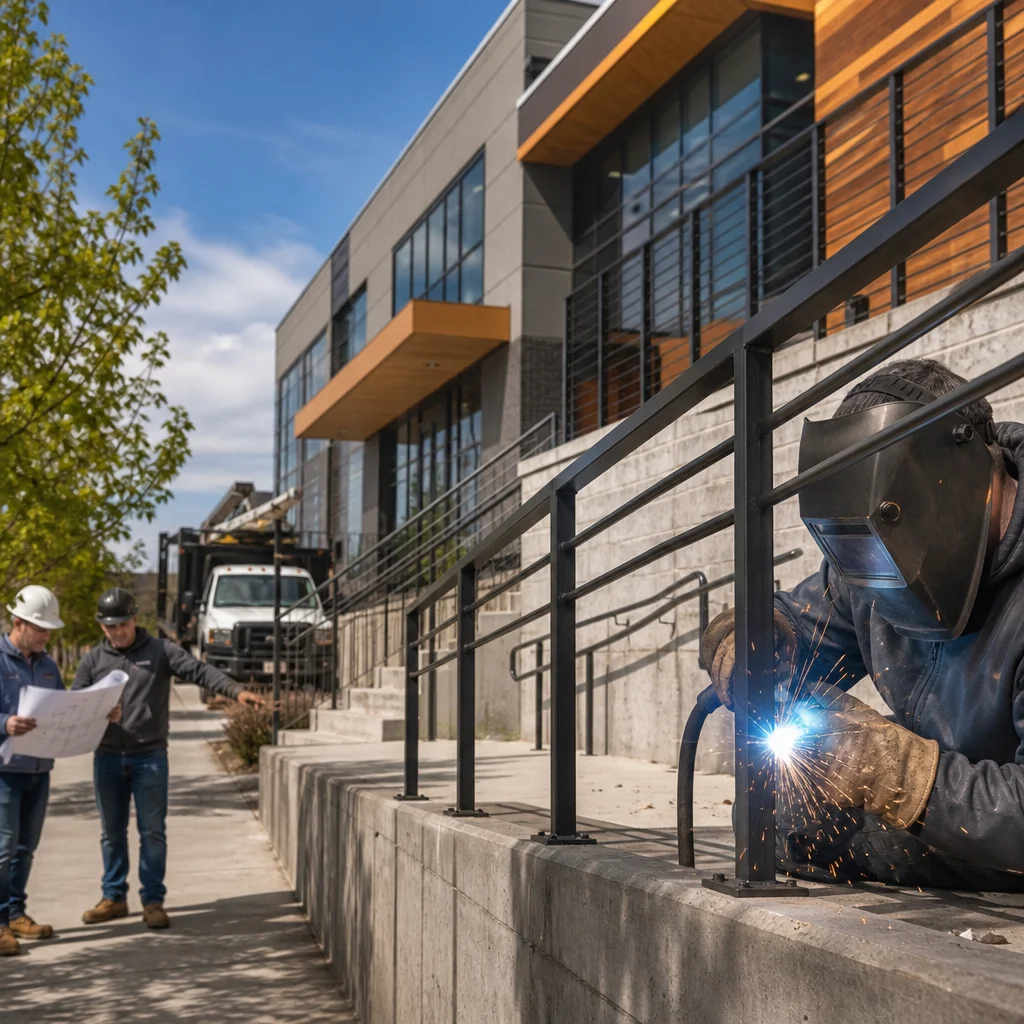
Panel installation speed depends on design complexity. A simple two-rail open design installs faster than an ornamental pattern requiring precise welding and finishing. Our welders ensure every joint meets structural and aesthetic standards, which takes time but ensures lasting quality.
Site preparation adds hours to projects. Removing old fencing, clearing vegetation, and identifying underground utilities all factor into the labor estimate. Some properties require excavation or site grading that increases cost but ensures proper installation.
Access constraints matter too. If our truck cannot reach the site easily, we hand-carry materials and tools across the property. Narrow side yards, gated communities, or sites with limited parking require more labor hours than accessible open properties.
Takeaway: Clear your property fence line of obstacles before installation begins. Removing debris, marking utility lines with call-before-you-dig services, and ensuring equipment access can reduce labor time by 10-15 percent.
How We Calculate Accurate Project Estimates
Our estimating process combines on-site measurement, material selection, and realistic labor projections.
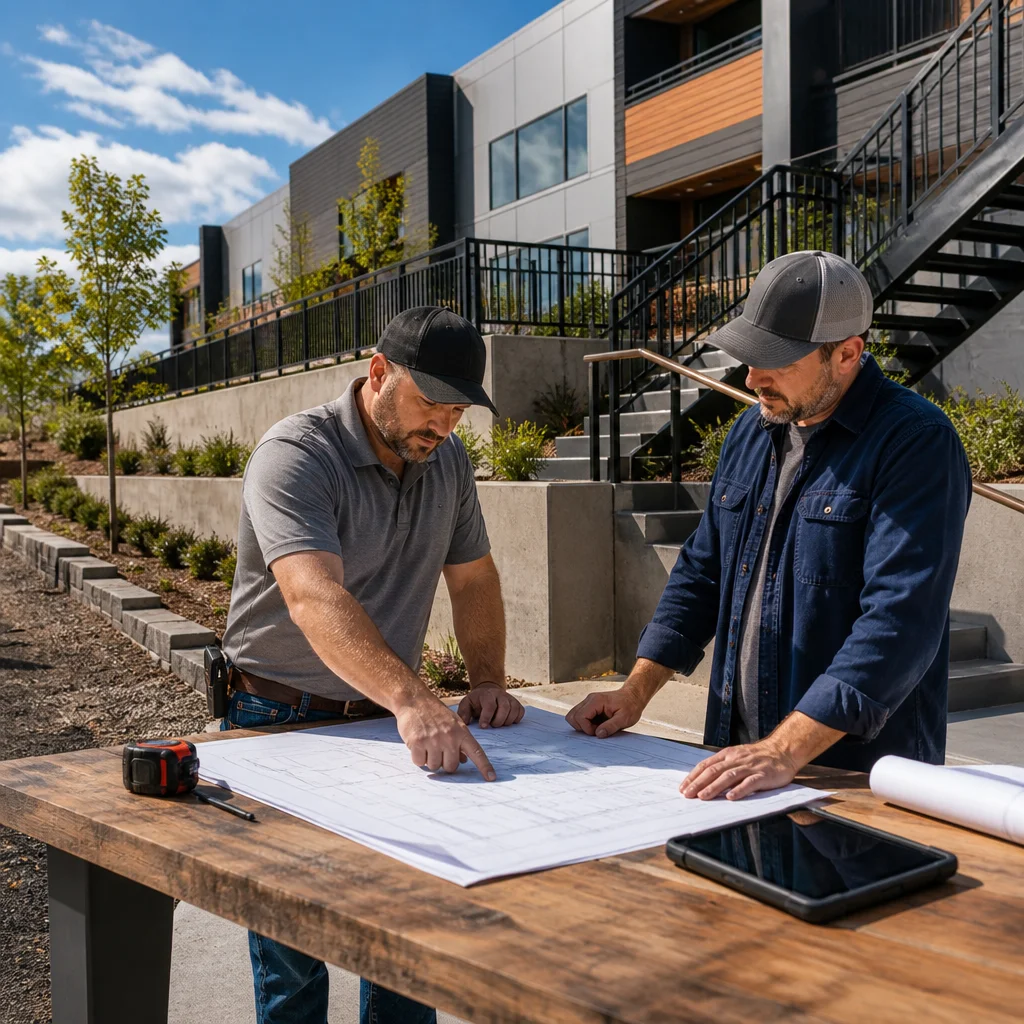
First, we visit your property and measure the entire perimeter, identifying elevation changes, obstacles, and existing conditions. Tape measure accuracy matters; guessing from photos creates budgeting errors. We photograph problem areas and note soil type, access challenges, and utility locations.
Next, we discuss your design preferences, material choices, and functional requirements. Do you need privacy, security, or aesthetic enhancement? Will you add gates or special features? These conversations inform material selections and help us avoid recommending over-engineered solutions for simple needs.
We then calculate material quantities with built-in waste factors. Posts, panels, fasteners, concrete, and finishing materials each cost money. Our experience helps us quote accurately without padding estimates with unnecessary contingencies.
Labor estimates reflect our crew's productivity on similar projects, adjusted for your site's specific complexity. We're transparent about what drives the estimate, explaining which elements add cost and why.
Finally, we factor in overhead, equipment, permits, and a reasonable profit margin. Our pricing reflects our commitment to quality workmanship and customer service, not a race to the lowest bid.
Takeaway: Provide us with your property address in advance if possible. This allows our estimators to review aerial imagery and identify potential constraints before the site visit, making the process faster and more accurate.
Comparing DIY Versus Professional Installation Value
Some Denver property owners consider DIY fence installation to save money. While this can work for very simple projects, professional installation typically delivers better value.
DIY projects require your time, tool investment, and personal liability. Material mistakes multiply in cost. A miscalculated post spacing or inadequate concrete footing can compromise the entire fence structure. Repairing poor welds or correcting alignment issues mid-project often costs more than hiring professionals initially.
Professional installation guarantees structural integrity and aesthetic quality. We stand behind our work with workmanship warranties. If issues arise, we address them quickly at no additional cost. This peace of mind has measurable value.
Building permits and inspections matter too. Improperly installed fences can violate Denver building codes, creating liability and forcing expensive corrections. We navigate permit requirements and schedule inspections, ensuring your fence meets all standards.
Safety is another key factor. Welding and heavy material handling require proper training and equipment. Improper technique creates rust-prone joints and structural weakness that fails prematurely.
Time investment deserves consideration as well. A 100-linear-foot fence might take a homeowner 40-60 hours across several weekends. Our crew completes the same project in 2-3 days, freeing your time for other priorities.
Takeaway: Budget for professional installation unless you have prior construction experience and access to proper welding equipment. The long-term durability and warranty protection justify the professional cost.
Timeline Considerations and Project Scheduling
Fence installation isn't instantaneous, and understanding realistic timelines prevents frustration.
Material lead times affect scheduling. Standard designs with in-stock materials can begin installation within 1-2 weeks. Custom fabrication with specialty finishes or unique welding may require 3-4 weeks before installation starts. We communicate expected lead times during the estimate phase.
Weather impacts Denver fence projects. Cold temperatures make concrete setting slower, and spring rains can delay site preparation. We typically recommend scheduling non-urgent projects in late spring or early fall when weather cooperates.
A standard residential fence of 100-150 linear feet takes 3-5 days to install once materials arrive on-site. Larger projects, complex designs, or challenging terrain extend timelines. Gates and special features add another 1-2 days.
Permitting can add 2-4 weeks depending on your city or county. We handle permit applications and inspections, but the process moves at government pace. Planning ahead prevents timeline surprises.
Post-installation curing matters for concrete footings. While we can install panels within 24 hours, full concrete curing continues for 28 days. We advise against applying heavy stress to new gates or fences during this period.
Takeaway: Contact us at least 4-6 weeks before your desired installation date. This buffer accommodates material lead times, permitting, and weather variables without rushing the project.
Why Choosing JKD Welding Protects Your Investment
We've built our reputation on precision, durability, and customer service. When you choose us, you're selecting a team invested in your property's long-term performance.
Our welders are certified professionals with years of Denver-area experience. Every weld is inspected for structural integrity and aesthetic quality. We don't cut corners on technique or finishing because we know your fence represents a significant investment.
We use quality materials consistently. No switching to cheaper alternatives mid-project. Our powder coating is applied by professionals in controlled conditions, not hastily in the field. This attention to process ensures finishes that last decades.
Custom design capability sets us apart. We don't force cookie-cutter solutions onto unique properties. Whether you need a design that matches your home's architecture or a functional solution for challenging terrain, we collaborate to create fencing that works.
Our warranty covers materials and workmanship for one year. Defects in materials or installation errors get corrected at no cost. This commitment protects you from unexpected repair bills.
We're also available for long-term maintenance and repairs. If your fence needs touch-up painting, weld repairs, or modifications years later, we're here to help. This continuity means you're not hunting for contractors every time something needs attention.
Takeaway: Ask for references from recent Denver fence projects. Speaking with homeowners and commercial clients who've used our services provides honest insight into our work quality and customer experience.
Financing Options for Your Denver Metal Fence Project
We understand that quality fencing represents meaningful expense. Several financing approaches can make your project more accessible.
Many homeowners finance fence projects through home equity lines of credit (HELOC) or home improvement loans. These often carry lower interest rates than credit cards and offer tax-deductible interest. Check with your bank about available programs.
We accept credit card payments, which offer rewards and fraud protection. While not ideal for large projects due to interest rates, cards work well for smaller installations or partial payments.
Referral discounts apply when existing customers recommend us to friends or family. These aren't formal promotions, but we do take care of customers who bring us business.
Property tax considerations may surprise you. In some cases, fence installation can increase property value modestly. Your accountant can advise whether improvement costs are deductible or capitalized.
Takeaway: Discuss your budget constraints during the estimate. We can often adjust design scope or material selections to match your financial parameters without sacrificing quality.
Getting Your Free Project Estimate Today
Starting your fence project begins with a conversation about your vision and budget.
Contact us through our website at https://jkdwelding.com or call our Denver office. We'll schedule an appointment at your convenience, typically within a few days. Our estimators arrive with measuring tools and expertise, ready to assess your property thoroughly.
During the site visit, we'll walk your property, discuss design preferences, answer questions about materials and timelines, and begin forming your custom estimate. We'll also explain permit requirements specific to your location and address any concerns.
Within 2-3 business days, we'll deliver a detailed written estimate including material specifications, labor breakdown, timeline, and warranty terms. No surprises, no pressure. You'll understand exactly what you're investing in.
We're happy to discuss alternatives and refine the scope based on your feedback. Our goal is earning your confidence that we're the right partner for your project.
Takeaway: Have photos of your property and a clear sense of your design preferences ready for the estimate conversation. Specificity helps us provide accurate quotes faster.
Maintenance and Long-Term Cost Savings
Professional metal fencing requires minimal maintenance compared to wood, but smart care extends its life significantly.
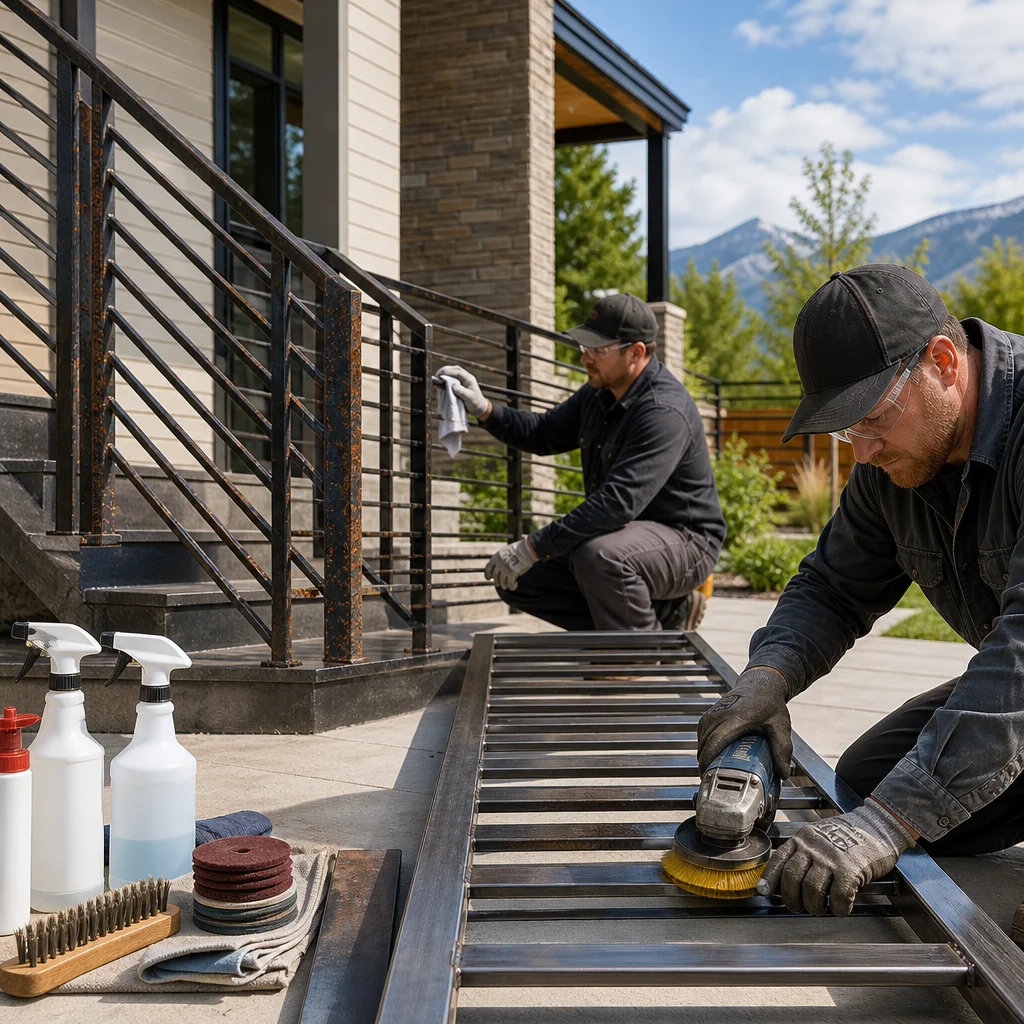
For powder-coated steel fences, annual cleaning with mild soap and water keeps them looking new. Pressure washing on low settings removes dirt without damaging the finish. We recommend avoiding high-pressure settings that strip coating.
Inspect welded joints annually, especially in high-stress areas near gates or where wind exposure is greatest. Small cracks or rust spots caught early are cheap to repair. Neglected damage spreads and becomes expensive.
Touch-up painting should happen every 3-5 years depending on exposure and finish quality. Professional recoating runs $10-20 per linear foot, much cheaper than replacement and dramatically extends fence life.
For gates with mechanical or electronic components, annual lubrication and hardware tightening prevents sticking and extends hardware life. Hinges, locks, and latches benefit from light maintenance.
Stainless steel and quality aluminum require even less maintenance. Annual inspection and occasional cleaning are sufficient for most climates.
We're available for maintenance and repair services on commercial and residential metal fences throughout Denver. Preventive care today saves significant expense tomorrow.
Takeaway: Schedule annual fence inspections. Catching wear and damage early prevents small issues from becoming expensive repairs that compromise structure or safety.
---
Your Denver metal fence represents both aesthetic and functional value for your property. Understanding what drives costs empowers you to invest wisely and choose quality that lasts. We're confident that our expertise, craftsmanship, and commitment to customer satisfaction make us the right choice for your project.
Contact JKD Welding today for your free estimate. Let's design and build the fence your Denver property deserves.
Frequently Asked Questions (FAQ)
What factors affect the price of our metal fence installations in Denver?
We calculate pricing based on several key factors: the type and gauge of metal we use, your fence's total linear footage, design complexity, site preparation requirements, and local labor costs. Additional elements like gate installations, decorative elements, and concrete foundation work also impact the final cost. We provide a detailed breakdown during our free estimate so you understand exactly what drives your project price.
How does professional installation compare to DIY metal fence work?
While DIY installation might seem like a cost savings opportunity, we find most property owners face unexpected challenges with proper metal alignment, secure welding connections, and foundation durability. Our professional installation ensures your fence meets Denver building codes, includes structural integrity that lasts decades, and comes backed by our warranty on workmanship. We handle the technical complexity so you get a finished product that protects your property and maintains its value.
How quickly can we schedule and complete a metal fence project?
Our typical installation timeline ranges from one to three weeks, depending on your fence length, design intricacy, and current project load. We schedule our jobs strategically to maintain quality and minimize disruption to your property. When you request your free estimate, we'll provide you with a specific timeline and coordinate scheduling that works with your needs.
Comments