


Decorative HOA Metal Fencing in Denver: Style, Compliance, and Expert Installation
Table of Contents
Why HOA Fencing Requirements Matter for Denver Property Owners
How We Design Fencing That Balances Aesthetics and Compliance
The Metal Fabrication Process for Custom HOA-Approved Fencing
Durability and Maintenance Considerations for Denver Climates
Enhancing Property Value Through Compliant Decorative Fencing
Why HOA Fencing Requirements Matter for Denver Property Owners
Homeowners associations exist to protect property values and maintain neighborhood aesthetics, which means fencing rules are rarely optional. When an HOA restricts fence height, material, color, or design, these aren't arbitrary restrictions; they're covenant-backed guidelines that can result in fines, forced removal, or legal disputes if ignored.
We've worked with dozens of Denver property owners who installed fencing only to discover it violated their HOA guidelines. The emotional and financial toll is significant. A fence that cost thousands to build may need replacement if it doesn't meet requirements, and the process becomes exponentially more expensive when corrections happen after installation.
Understanding your HOA's fencing standards upfront saves time, money, and frustration. It also opens the door to creating a fence that's both compliant and genuinely beautiful. Many HOA rules allow substantial design flexibility within their parameters, meaning you can achieve the aesthetic you want while staying fully within bounds.
What to do next: Pull your HOA's covenants and restrictions document. Look specifically for sections on "fencing," "exterior structures," or "architectural standards." If you're unclear about what's permitted, contact your HOA board before proceeding.
Common HOA Metal Fencing Standards and Restrictions
Most Denver HOAs specify restrictions in these key areas:
Height limitations typically fall between 4 and 6 feet for side and rear yard fencing, with front yards often capped at 3 to 4 feet. Commercial properties and luxury communities sometimes allow taller fencing if it's set back appropriately.
Material restrictions vary widely. Some HOAs mandate wood exclusively for neighborhood consistency, while others permit or even prefer metal for durability and low maintenance. A few communities require a combination approach, blending materials for visual interest.
Color and finish requirements are common, especially in newer developments. Many HOAs specify earth tones, black, bronze, or natural finishes. Bright colors, reflective surfaces, or painted finishes often face rejection unless pre-approved.
Design and visibility standards may require open designs that allow sightlines for safety and aesthetics. Solid privacy fences are restricted in many communities, though metal slat or picket designs that allow partial visibility usually pass scrutiny.
Setback requirements determine how far your fence must sit from property lines, roads, or common areas. Violating setback rules is one of the most common compliance issues we encounter.
Actionable takeaway: Create a checklist of your HOA's specific restrictions. Write down exact measurements, approved materials, acceptable colors, and design constraints. This becomes your blueprint for the entire project.
Popular Decorative Fencing Styles That Meet HOA Guidelines
Decorative metal fencing offers elegance and durability while satisfying most HOA requirements. The key is choosing designs that meet height, material, and visibility standards while enhancing your property's appearance.
Ornamental iron picket fencing is popular in Denver neighborhoods. The classic vertical picket design with varied heights (typically 3 to 5 feet) provides visual interest, allows sightlines, and fits most HOA parameters. Adding decorative finials, scrollwork, or curved tops creates a sophisticated look without appearing excessive.
Metal slat fencing combines privacy with compliance. Vertical slats with spacing allow some visibility while creating visual boundaries. This style adapts easily to HOA height and material requirements and works well for both residential and commercial properties.
Contemporary geometric designs appeal to modern properties. Clean lines, geometric patterns, and minimalist profiles satisfy HOAs seeking updated aesthetics while remaining distinctly metalwork. These designs are particularly popular in newer Denver developments.
Mixed-material combinations blend metal with wood, stone, or stucco pillars. Metal railings with wood panels or metal frames surrounding stone columns add depth and sophistication. This approach often satisfies even strict aesthetic guidelines.
Visibility-forward designs feature alternating solid and open sections, ensuring compliance with sightline requirements while maintaining visual interest. Horizontal or vertical mixing keeps fencing from appearing monotonous.
Practical insight: Before settling on a style, photograph examples and compare them against your HOA guidelines. Better yet, bring examples to your HOA board for preliminary feedback before investing in design and fabrication.
How We Design Fencing That Balances Aesthetics and Compliance
Our design process starts with constraint identification, not constraint frustration. We review your HOA guidelines thoroughly and treat them as design parameters rather than limitations. This mindset shift opens creative possibilities.
We begin by documenting your property's characteristics: frontage width, slope, sunlight exposure, neighboring architecture, and your intended use. A fence that works beautifully on a flat urban lot requires different considerations than one on a sloped suburban property.
Next, we explore style options within your HOA's specific framework. If your community restricts height to 4 feet, we maximize visual impact through ornamental detailing, material quality, and finishes rather than height. We create 2D and sometimes 3D visualizations so you see the completed fence before fabrication begins.
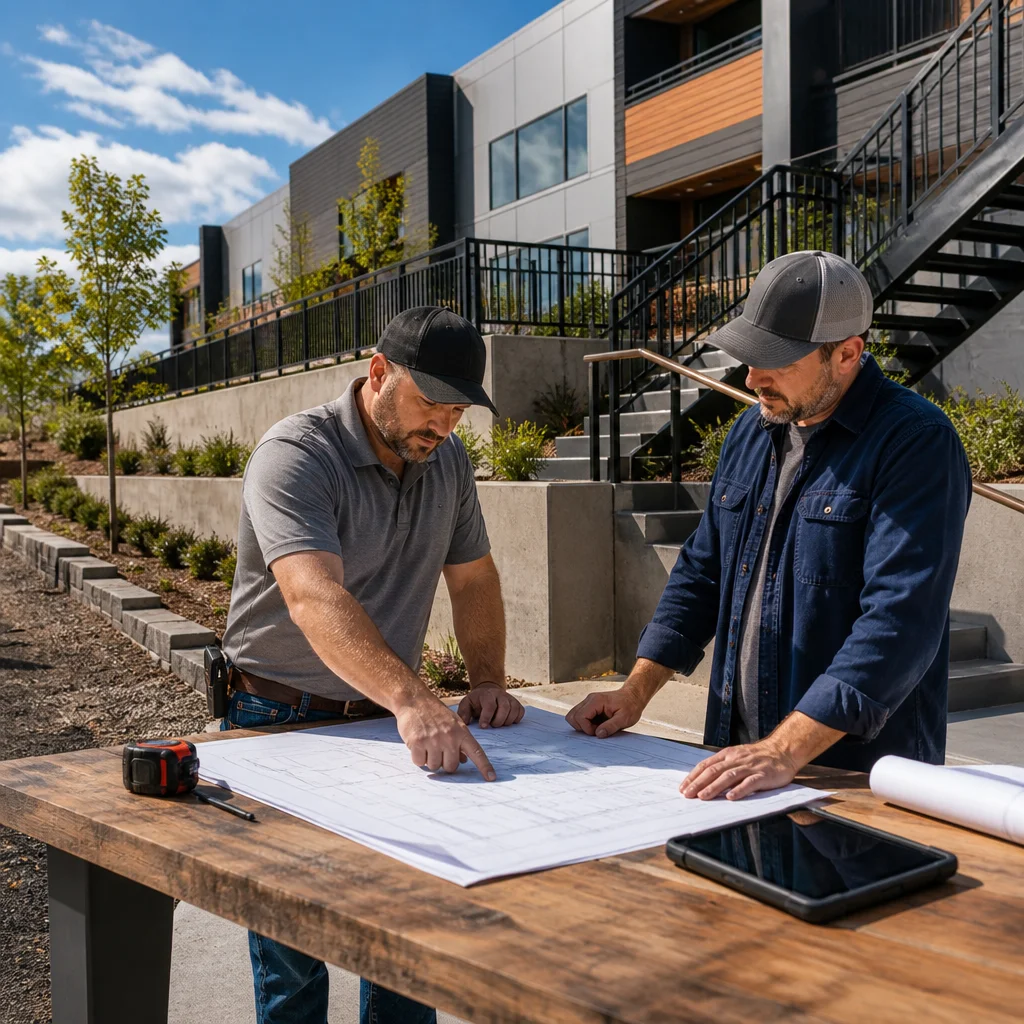
Our collaboration process includes HOA pre-clearance when appropriate. We can prepare design documentation for submission to your HOA board, significantly reducing approval risks and timeline uncertainty. This step is especially valuable for custom or unconventional designs.
Material selection happens simultaneously with design refinement. We recommend specific metals, finishes, and components that align with durability needs, aesthetic goals, and budget parameters. A powder-coated finish, for example, offers superior longevity in Denver's weather while maintaining color consistency that many HOAs require.
Actionable takeaway: Schedule a consultation with us to review your property and HOA restrictions together. We'll identify feasible design directions and provide preliminary recommendations before any formal design work begins.
The Metal Fabrication Process for Custom HOA-Approved Fencing
Our fabrication process ensures precision, compliance, and lasting quality. Every project begins with detailed plans that match your approved HOA design specifications.
Material procurement focuses on quality metals suited to Denver's climate. We source certified steel or aluminum components that meet structural standards and resist weather-related degradation. Material selection directly impacts longevity and maintenance requirements.
Design layout and cutting happens on our shop floor. We use CNC equipment and precise measurements to cut posts, rails, pickets, and decorative elements to exact specifications. This precision prevents field adjustments that compromise structural integrity or aesthetic consistency.
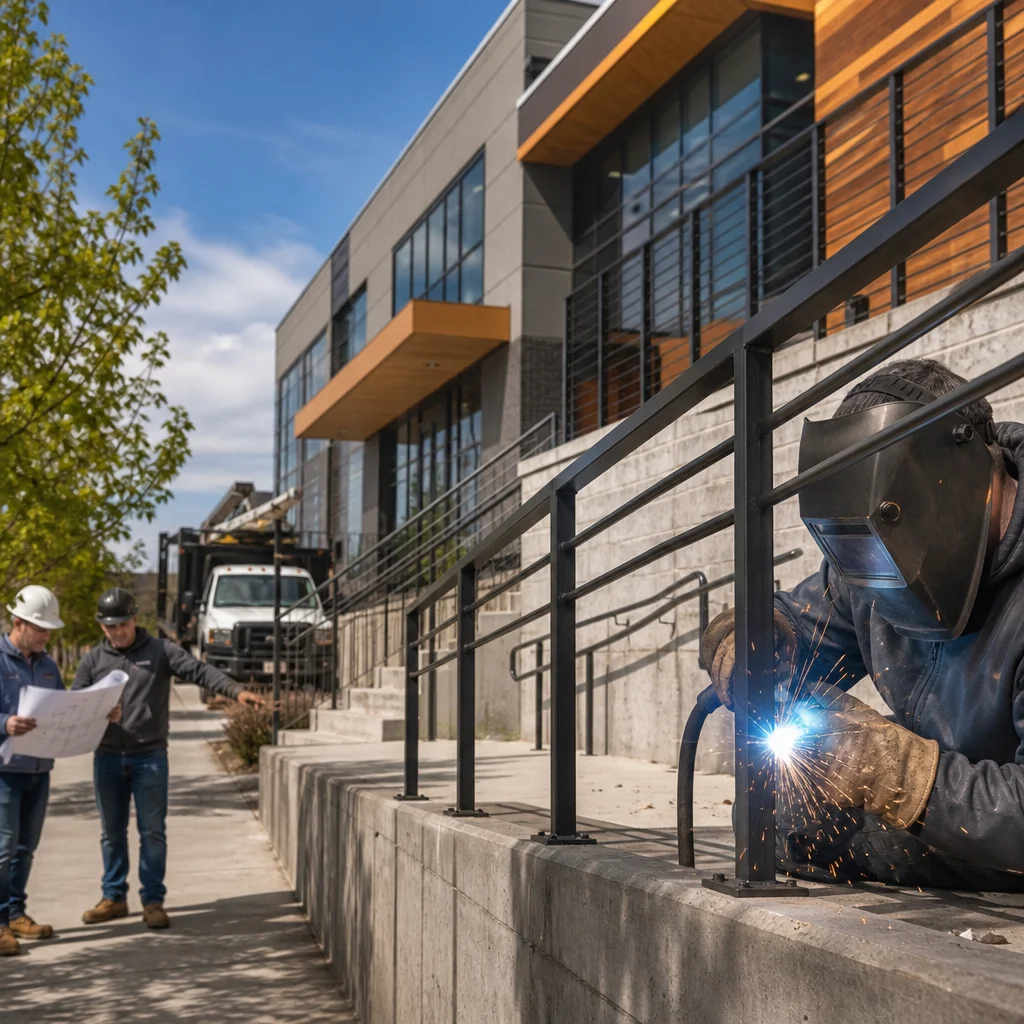
Welding and assembly is where craftsmanship becomes visible. Our certified welders create strong, clean joints that look professionally finished. We use appropriate welding techniques for each joint type and ensure all connections meet or exceed industry standards.
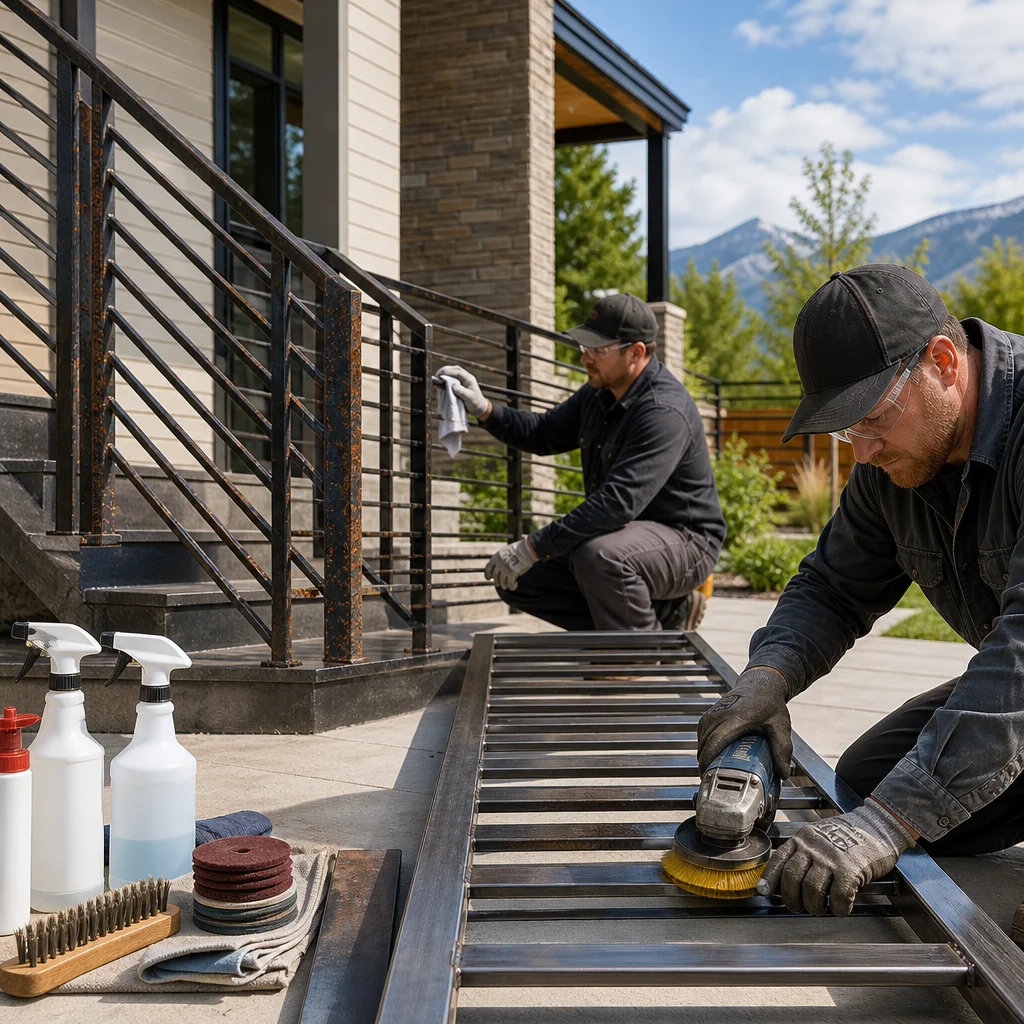
Surface preparation involves degreasing, grinding, and preparing all surfaces for finishing. This step is crucial for paint or powder coat adhesion and long-term durability.
Finishing applies the protective and aesthetic layer. We offer hot-dip galvanizing for maximum weather resistance, powder coating for color consistency and durability, or paint finishes based on your specifications and HOA requirements. Multiple finish options ensure your fence maintains its appearance for years.
Quality inspection occurs at multiple stages. We verify dimensions, structural integrity, weld quality, and finish consistency before any component leaves our shop. This reduces on-site corrections and keeps projects on schedule.
Actionable takeaway: Ask your fencing contractor about their quality control process. Understanding how they verify specifications and finishes helps you choose a provider committed to lasting results.
Durability and Maintenance Considerations for Denver Climates
Denver's dry climate, UV intensity, temperature fluctuations, and occasional snow and ice create specific durability challenges. Metal fencing performs well under these conditions when properly specified and maintained.
UV and weather resistance matters significantly in Denver's high-altitude location. Powder-coated finishes outperform standard paint in UV resistance, maintaining color and protective qualities for 10-15 years with minimal maintenance. Hot-dip galvanizing provides even longer protection, particularly for iron or steel components.
Snow and ice handling requires adequate drainage and design considerations. We ensure posts have proper footings below frost line depth and incorporate water runoff features that prevent ice buildup and water damage. Good drainage around base posts prevents moisture accumulation and rust initiation.
Salt and de-icing exposure affects fencing near salted roadways or driveways. Stainless steel or heavily galvanized components resist salt-related corrosion better than bare steel. If your property experiences significant salt exposure, specifying corrosion-resistant materials prevents premature failure.
Routine maintenance extends fence lifespan significantly. We recommend annual inspections, prompt cleaning after heavy snow or dust storms, and touch-up of any paint or coating damage. Most properly installed metal fencing requires minimal maintenance beyond these basics.
Temperature cycling creates expansion and contraction, particularly in metal. Our installation designs accommodate these movements through proper fastener selection and spacing. Rigid connections that ignore thermal movement can fail prematurely.
Practical insight: Ask us for a maintenance schedule specific to your fence material and finish. Knowing what's required upfront helps you budget for long-term upkeep and prevents costly neglect.
Our Approach to Getting HOA Approval Before Installation
HOA approval shouldn't be an afterthought; it's central to project success. We've developed a systematic approach that reduces approval timelines and rejection risk.
Documentation preparation involves creating professional submittals that address HOA requirements directly. We include design drawings, material specifications, color samples, and finish details. Clear, professional documentation demonstrates that your project is well-planned and compliant.
Pre-submission consultation lets us identify potential objections before formal submission. We may recommend minor adjustments to ensure approval. This informal feedback saves the time and frustration of formal rejections requiring resubmission.
Submission support includes helping you complete HOA forms and presenting materials to your board. We can attend meetings if needed, answering technical questions about installation methods, materials, and long-term performance.
Timeline management helps you understand typical approval windows. Most HOAs respond within 30-45 days, but some require board meetings on specific schedules. We coordinate timelines so approval delays don't derail your project schedule.
Documentation archive maintains records of all approvals and correspondence. This creates a clear paper trail if disputes arise and protects your investment should future owners or boards question the fence's legitimacy.
What to do next: Gather your design approval from us and your HOA's submission requirements. We'll prepare complete documentation and guide you through the approval process.
Enhancing Property Value Through Compliant Decorative Fencing
Quality fencing is a genuine investment in property value, not just a cosmetic upgrade. Compliant decorative metal fencing enhances curb appeal, defines property boundaries, and signals quality construction to potential buyers or renters.
Real estate professionals consistently note that attractive fencing increases perceived property value, sometimes by 3-7 percent depending on market conditions and fence quality. Buyers recognize that quality materials and skilled installation represent durability and reduced future maintenance.
Decorative metal fencing offers specific value advantages over alternatives. Unlike wood, it requires minimal maintenance and maintains appearance over decades. Unlike vinyl, it offers genuine elegance and withstands Denver's weather without brittleness or fading. Unlike chain-link, it conveys permanence and quality.
HOA compliance adds another value dimension. A compliant fence won't require costly replacement, and future buyers won't inherit compliance issues. This certainty appeals to discerning purchasers and justifies the initial investment.
Commercial properties gain reputation and security benefits from quality fencing. A well-designed fence signals professionalism and attention to detail, influencing client perceptions before they step inside your building.
Actionable takeaway: Document your fencing project with professional photos and keep HOA approval records. If you eventually sell your property, this documentation proves the fence was properly approved and maintained, supporting the value you've created.
Protecting Your Investment: Safety and Structural Integrity
Decorative fencing must perform safely regardless of appearance. We design every fence to meet structural requirements and safety standards appropriate for residential or commercial applications.
Post stability is fundamental. Proper depth, concrete footings below frost line, and appropriate spacing prevent post failure under wind, snow load, or ground stress. Posts that aren't adequately secured become hazards and legal liabilities.
Load rating ensures fencing withstands expected stresses. Residential fencing requires different specifications than commercial applications. Fence sections intended to support gates or climbing require stronger construction than simple boundary fencing.
Picket and rail spacing follows safety guidelines, particularly important if small children or pets are present. Improper spacing creates entanglement or climbing hazards. We ensure all designs meet or exceed established safety standards.
Gate hardware and operation safety prevent injuries and property damage. Hinges, latches, and self-closing mechanisms must function reliably. Poorly installed gates become safety risks and neighborhood nuisances.
Fastener quality prevents component failure. We use stainless steel or galvanized fasteners that won't rust and weaken over time. Cheap fasteners often fail within a few years, creating safety issues and cosmetic problems.
Professional installation verification ensures all safety considerations are properly addressed. DIY or low-quality installations often skip critical safety details that become problems months or years later.
What to do next: Ask any fencing contractor about their structural specifications and safety standards. Their willingness to discuss these details indicates their commitment to quality and longevity.
Why Professional Installation Ensures Long-Term Compliance
Installation quality directly determines fence lifespan, appearance, and compliance longevity. Professional installation protects your HOA approval and investment.
Precise positioning ensures your fence stays within property lines and setback requirements. Incorrect installation creates future liability and potential HOA violations. Professional installation includes site surveys and careful layout.
Proper footing and post setting creates structural foundation that lasts decades. Posts must extend below frost line in Denver (typically 32-36 inches), be set in concrete, and align perfectly. Shortcuts here guarantee future failure.
Level installation across sloped terrain requires technical skill. Installing fencing on hillside properties demands careful design and execution. Professional installers adjust designs and installation methods for terrain while maintaining structural integrity and compliance.
Finishing details include touch-ups, hardware installation, and cleanup that distinguish professional work. Welding, painting, and hardware installation completed on-site require the same precision as shop fabrication.
Timeline management keeps projects moving without rushing critical steps. Proper installation takes time; weather delays and material logistics require professional coordination.
Warranty and accountability provide recourse if issues arise post-installation. Licensed, insured contractors stand behind their work with warranties and insurance protection.
Practical insight: Verify that any fencing contractor carries appropriate licensing, bonding, and insurance before hiring. These credentials ensure they're equipped to handle unexpected issues and protect you from liability.
Free Estimates and Project Consultation Process
We make starting your decorative fencing project straightforward. Our free estimate process helps you understand costs and timelines without obligation.
Initial consultation begins with a property visit. We review your space, HOA guidelines, and vision. We photograph your property and discuss style preferences, budget parameters, and timeline expectations. This conversation establishes realistic expectations and identifies any complications early.
Design development follows after our initial consultation. We create preliminary design recommendations that balance your preferences with HOA compliance. We provide cost estimates at this stage so you can make informed decisions.
Detailed proposal includes materials, labor, timeline, warranty information, and payment terms. Our proposals are transparent; you'll understand exactly what's included and what factors might affect costs.
Next steps after you approve our proposal include finalizing designs, preparing HOA documentation, ordering materials, and scheduling installation. We'll coordinate each phase and keep you informed throughout.
Contact us today for your free consultation. We'll review your property, discuss your fencing goals, and explain how we can deliver decorative metal fencing that enhances your Denver property while maintaining full HOA compliance.
Our team at JKD Welding brings decades of custom metal fabrication and installation expertise to every project. We understand Denver's climate, HOA requirements, and the craftsmanship required for fencing that lasts. Let us help transform your property with beautiful, compliant decorative metal fencing that you'll enjoy for years to come.
For further reading: Decorative HOA fencing solutions.
Frequently Asked Questions (FAQ)
What HOA fencing requirements should I know before contacting you about a decorative fence?
Most Denver HOAs have specific guidelines around fence height, materials, color, and setback distances from property lines. We recommend reviewing your HOA's covenants and restrictions first, as these rules vary significantly between communities. Our team can help you understand which requirements apply to your property and design a fence that meets all compliance standards before we submit any plans for approval.
How do we ensure your decorative metal fence will get HOA approval?
We work directly with your HOA throughout the design and approval process, which means we gather their specific guidelines, create detailed drawings that match their standards, and submit all documentation on your behalf. Our experience with Denver-area HOAs helps us anticipate compliance issues and avoid costly redesigns. We don't break ground until we have written approval in hand, protecting both your investment and your standing with your community.
What makes professional installation critical for long-term HOA compliance?
Proper installation ensures your fence meets structural codes, remains at the correct height and setback distances, and maintains the aesthetic appearance that satisfied your HOA during approval. Poor installation can cause settling, warping, or misalignment that eventually violates HOA standards and creates safety concerns. We handle the entire installation process to exact specifications, so your fence stays compliant and structurally sound through Denver's temperature swings and weather conditions.
Comments